


Why Public Wi-Fi Can Put Your Personal Data at Risk
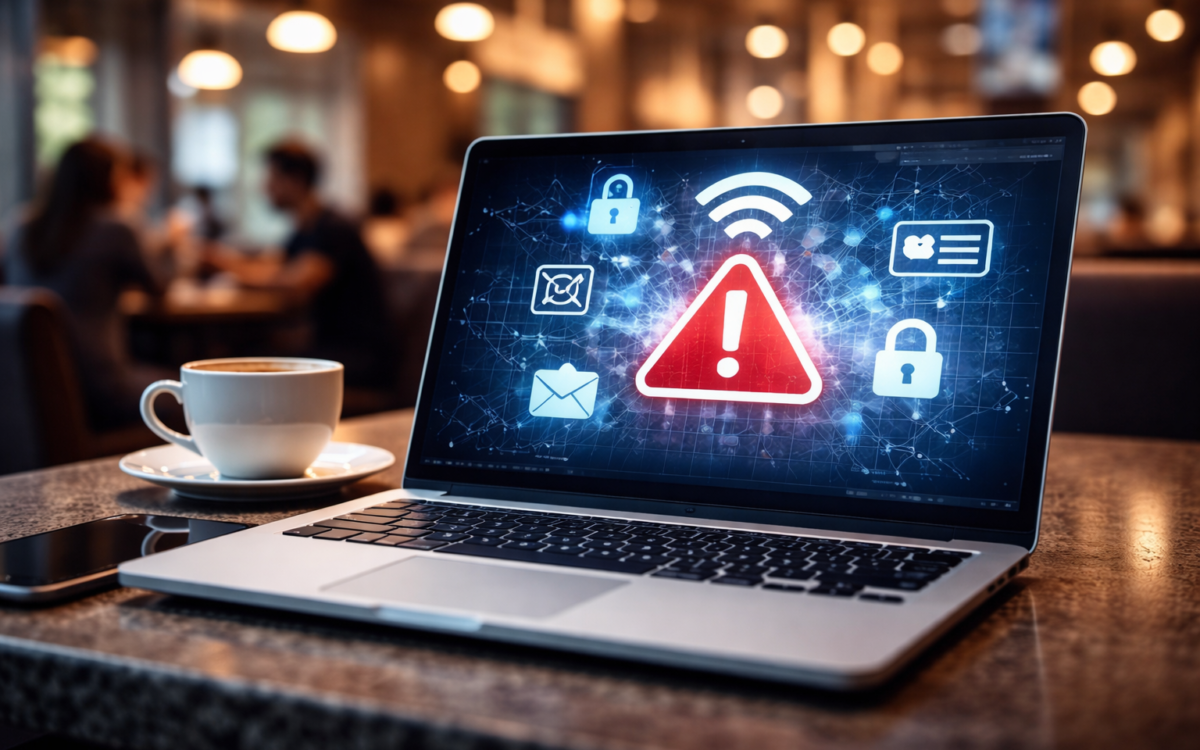
Public Wi-Fi networks in cafés, airports, hotels, and shopping centers offer convenience — but they can also expose users to serious cybersecurity risks. Many public networks are not properly secured, making it easier for cybercriminals to intercept personal information.
When connected to unsecured Wi-Fi, sensitive data such as passwords, banking information, emails, and private messages can potentially be accessed through techniques like “man-in-the-middle” attacks or fake hotspot scams.
One common tactic involves hackers creating a network with a name similar to the official location’s Wi-Fi. Unsuspecting users connect, believing it is legitimate, while attackers monitor activity in the background.
How to Stay Safe on Public Wi-Fi

Avoid accessing banking apps or sensitive accounts while connected.

Use secure websites (look for “https” in the address bar).

Disable automatic Wi-Fi connections on your device.

Consider using a VPN for encrypted browsing.
Reliable home internet with proper network security settings is always safer for handling personal or financial information.
Staying informed about digital threats is the first step in protecting your data online.
For guidance on integrating technology at home, contact H2Connect or learn more at EdTech Magazine.