


Xbox and Discord Expand Their Partnership With New Gaming Benefits
Major U.S. Carriers Team Up to Tackle Wireless Dead Zones
A new push toward satellite-powered mobile coverage could reshape how people stay connected in rural areas, emergencies, and places where traditional signal is still limited.
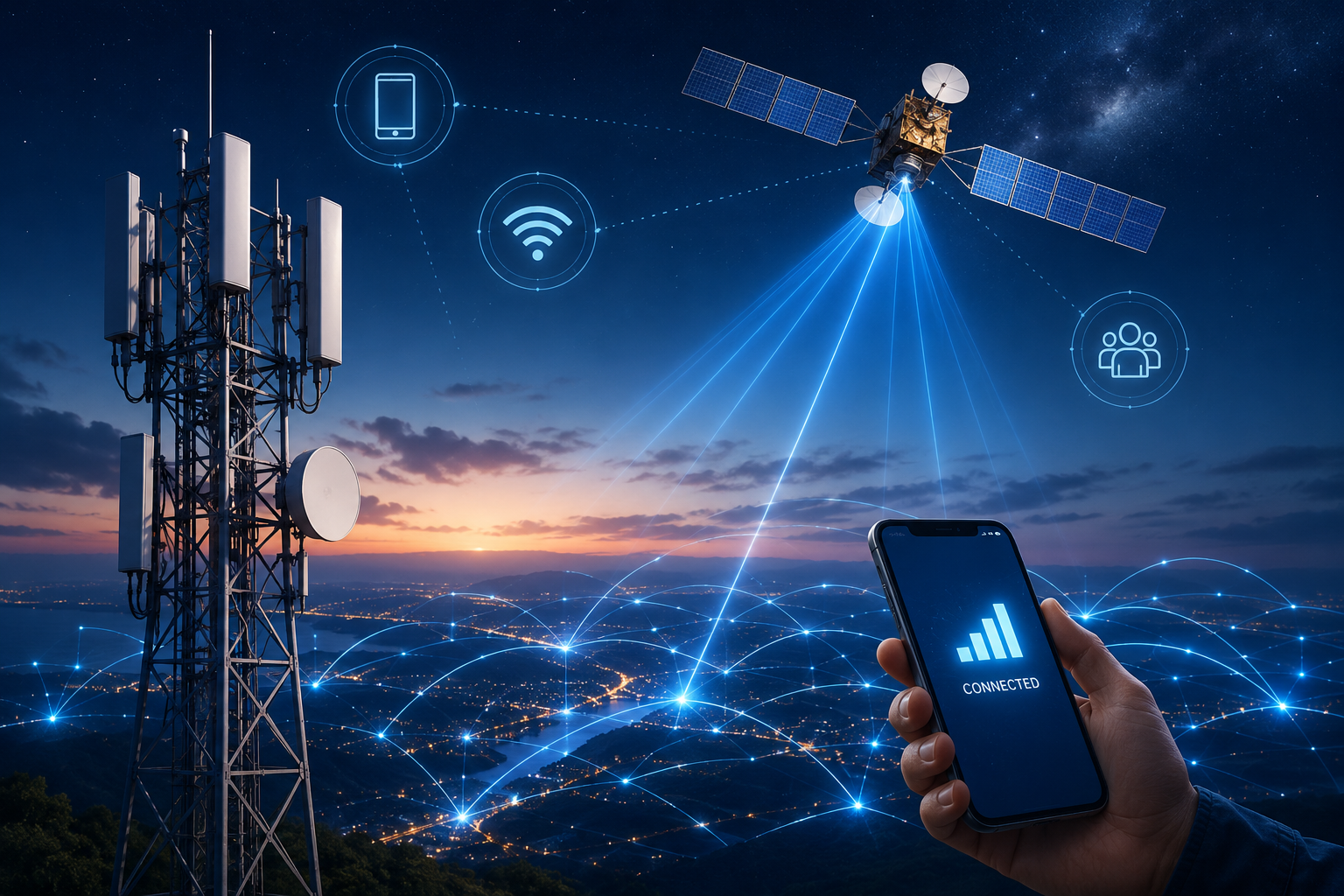
The future of mobile communication is moving beyond towers alone. AT&T, T-Mobile, and Verizon recently announced an agreement in principle to form a joint venture focused on reducing wireless dead zones across the United States, with special attention on rural and hard-to-reach areas.
The announcement points to a growing shift in the communications industry: combining traditional mobile infrastructure with satellite-based technology to create broader, more resilient coverage. For users, that could mean better access to service in places where signal has historically been weak or unavailable.
Why This Stands Out
Coverage beyond towers
Mobile service is starting to expand through direct-to-device and satellite-supported solutions, not just traditional cell sites.
Rural connectivity matters
Areas with weaker infrastructure could benefit the most as carriers look for new ways to close long-standing coverage gaps.
More resilient networks
The industry is also putting more focus on reliability during natural disasters and high-demand situations.
What It Means for the Industry
Communications technology is becoming more layered and more strategic. As satellite and wireless systems continue to evolve together, companies are racing to improve both coverage reach and long-term network capacity. That makes this moment important not only for mobile users, but for the future of connected infrastructure as a whole.
- Satellite and wireless systems are becoming more connected.
- Coverage strategy now includes resilience, not just speed.
- The next phase of communication tech is focused on access in more places, not only dense urban markets.
Why It Matters at Home
Better communication networks affect more than just phone calls. They support remote work, travel, emergency response, mobile internet access, and the broader expectation that people should stay connected wherever they are. As the industry evolves, reliability is becoming just as important as performance.
Looking for more reliable connectivity?
We help people explore better internet options for their area, whether the priority is speed, stability, or everyday connection at home.